
NEWS & BLOG · October 27, 2026 · By Zhithera Studio
Do you love the soft floral-herbal scent of lavender, or a bright citrus note, at the end of a long day? If botanical aromas are your thing, part of the appeal is where they come from: the plant, the way the oil is extracted, and the research that's looking into these materials.
To appreciate an essential oil fully, look at three things: a clear botanical origin, an honest formula, and a cautious look at the evidence. Knowing them adds to the enjoyment, and makes choosing your next diffuser oil refill easier.
Essential oils are the volatile aromatic part of a plant, typically distilled, or pressed out of citrus peel. Each one is a mix of chemical constituents. “Natural” describes where it comes from; it doesn't mean chemical-free. Single oils are distilled or pressed from one plant species; natural blends mix oils from several. A finished product may also contain a disclosed diluent for a specific purpose.
A fragrance oil is a designed scent. It can be built from natural aromatics, synthetic aroma chemicals, or a mix. The FDA's overview of fragrance ingredients notes that fragrance formulas can draw on a wide range of natural and synthetic components.
The real differences are composition and purpose. Pick essential oils if you want the aromatic character of the plant itself; pick fragrance oils if you want a composed profile (tea, woody, floral and so on) built for a room. Category alone won't predict longevity or spread; formula, device and setting all play a part.
New to the two categories? Start with Essential Oils vs. Fragrance Oils: What's the Difference?
Value plant origins? Then picking an essential oil means picking one specific material, each with a distinct personality: lavender's soft floral-herbal tone, the citrus-peel brightness of sweet orange, rosemary's green freshness. Check the product information for the botanical name, which part of the plant was used, where it grew and how it was extracted.
Smell works through a well-understood pathway. Odor molecules stimulate olfactory sensory neurons in the nose; those neurons signal the olfactory bulb, and the brain then identifies the smell, as explained by the U.S. National Institute on Deafness and Other Communication Disorders (NIDCD). Scent is a genuine sensory input. [The path from nose to brain]
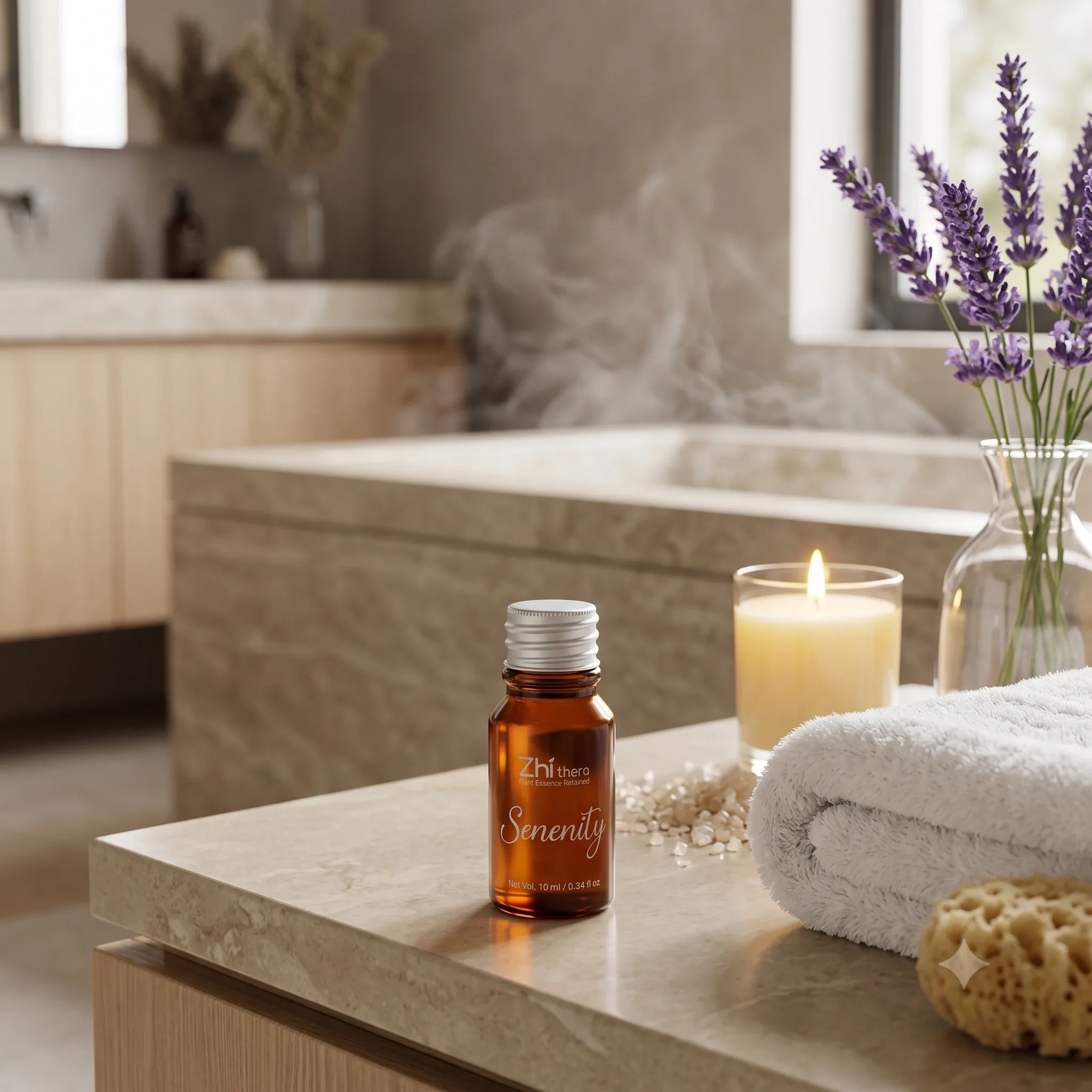
A favorite plant scent can be part of quiet moments: a book, a few minutes of meditation, the last hour of the evening before bed, screens off and lamps dimmed. Take these as routine ideas only. Finding a scent pleasant is not evidence that it has a clinical benefit.
A 2023 systematic review in Healthcare pooled 11 trials with 972 participants, and 10 of the studies found a significant drop in anxiety scores after lavender essential oil was inhaled. That's an encouraging signal, but a count of positive studies isn't a success rate for individuals, so it can't be read as “works for 90% of people.” [2023 systematic review: inhaled lavender essential oil]
Participants, methods and exposure times varied between trials, and a good share of them dealt with short-term nervousness before or during medical procedures. That's a long way from diffusing oil at home, so the results can't back a promise that everyday diffusing will improve any health condition.
The U.S. National Center for Complementary and Integrative Health (NCCIH) still said in its 2025 update on lavender that it isn't clear whether lavender aromatherapy helps with any of the conditions studied, and that better-quality research is needed. [NCCIH on lavender: research and safety]
So essential oil aromatherapy is worth studying further. For now, everyday diffusing makes the most sense as a personal scent experience and part of a comfortable atmosphere. Reading a study yourself? Look at which plant was used, in what formulation and dose, how it was given and what outcome was measured; research on a lavender preparation taken by mouth tells you nothing about a diffuser.
ZHITHERA's own retail products weren't part of any of these studies, and nothing here shows a clinical benefit from using them.
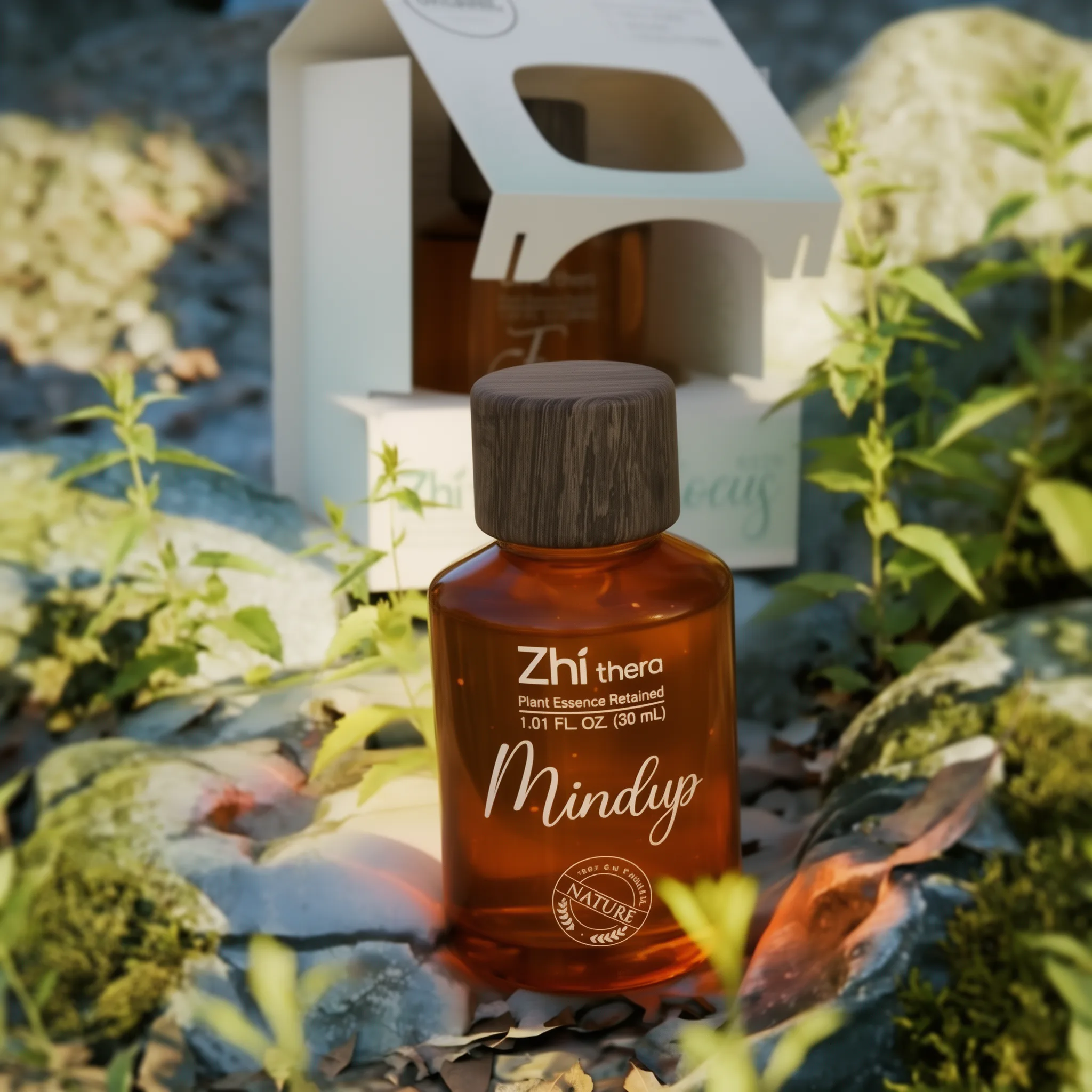
If you'd rather scent your home with botanical essential oils, the plain composition of a pure single oil is useful to know. ZHITHERA's pure single essential oils, for instance, contain no added synthetic fragrance, according to their ingredient descriptions. That applies to those products only; it doesn't mean the whole range is undiluted or additive-free.
The botanical line mixes product types: some bottles hold a pure single oil, some a blend of natural essential oils, and some a formulated oil that includes a natural diluent to help it atomize. According to current product information, Virginia Cedarwood and Indian Oud are each about 35% natural essential oil, and South African Geranium about 85%. Clear labeling tells you what you're buying, and dilution alone doesn't make an oil counterfeit. [Pure Essential Oils vs. Diluted Blends: What You're Really Buying]
Plant-derived isn't a synonym for harmless, and lab-made isn't a synonym for harmful. The FDA notes that ingredients from plants can irritate or trigger allergies too; what matters is the exact ingredient and how it's used. [FDA on aromatherapy and natural ingredients]
Judge the specific product instead. Can you see every ingredient? Is the percentage given? Is it sold for diffusion? And do the documents behind it relate to this exact formula? The bare words “essential oil” or “fragrance oil” say nothing about safety either way.
Drawn to plant character and provenance, and keen to explore scent day to day? The Pure Botanical Essential Oils collection is your starting point. Want a composed profile for a room, or a layered scent for when guests come over? Browse the Signature Fragrance Oils collection. Whichever you choose, use it as its instructions say. One caution: lavender research on essential oil doesn't carry over to a fragrance oil just because it smells of lavender.
In the D1 and D1 mini, Advanced Micro-Mesh Atomization mists compatible oils without water or heat. Both oil lines work in them when the products are compatible and you follow the instructions; a dedicated cartridge per scent keeps scents from carrying over. [D1 mini details]
This makes scenting tidier to manage; it doesn't follow that the method is gentler on the body or more effective as aromatherapy. Size the output to the room, airflow and setting, and to what feels comfortable for you; more scent doesn't mean more value.
Read the label first: the botanical name, the formula, what it's for. An SDS (safety data sheet) covers hazards and handling. GC/MS testing (gas chromatography–mass spectrometry) shows what a sample is made of. An IFRA Certificate of Conformity only counts if it matches the exact formula and use, and it's no substitute for a complete safety assessment. No single document, however useful, proves a product is harmless for everyone. [What an IFRA Certificate of Conformity covers]
Further guidance: Diffusing Around Children, Pets, and Sensitive Groups.
What essential oils offer is worth appreciating: a plant's own aromatic character to discover, materials you genuinely like, and a personal touch for the place where you rest. Clear origins, honest formulas and informed use let that become part of everyday life.
This article offers general information about scent and everyday use. Nothing ZHITHERA sells for diffusion is a medicine or a medical device, and they are not intended to diagnose, treat, cure, or prevent disease. Sources last checked: October 27, 2026.
Zhithera – A Professional Aromatherapy Delivery System Zhithera designs waterless, heat-free diffusers that atomize pure botanical essential oils and designer fragrance oils into a micron-fine mist using Advanced Micro-Mesh Atomization. Built for consistent, controllable aromatic states — focus, relaxation, recovery and restful ambiance — our range serves homes, offices, cars, spas, hotels and retail spaces worldwide. Every batch is traceable and supported by recognized third-party testing, with dependable wholesale and distribution support for partners around the globe.
Aromatherapy & Essential Oil Notice
Zhithera essential oils and fragrance oils are non-medical aromatic products intended for diffusion only. They are not intended to diagnose, treat, cure or prevent any disease or condition, and are not medical devices. Do not apply oils to skin or ingest them, and keep oils and devices out of reach of children and pets. Ensure good ventilation, and if you are pregnant, nursing or have a medical condition, please consult a qualified professional before use. Scent is experienced differently by everyone; discontinue use if any irritation occurs. We make no therapeutic, disinfecting or insect-repellent claims for any Zhithera product.