
NEWS & BLOG · October 25, 2026 · By Zhithera Studio
What do you get from a good diffuser oil? Two things you'll notice straight away: the scent itself, and control over how the room feels. With a waterless micro-mesh diffuser, the oil brings the scent's personality and the diffuser handles how it's delivered. Know both, and picking an oil and a setting for any room gets easy.
In a micro-mesh diffuser the oil is atomized cold and without water, so the scent in the air is the oil alone, undiluted. Pick the D1 waterless diffuser if you want to set the intensity yourself: it runs low, medium and high (continuous).
With adjustable output, you control reach and staying time. At close range, low intermittent saves oil; higher settings fill a bigger area faster. And because nothing runs on water, there's no reservoir to clean or refill, which keeps everyday use simple.
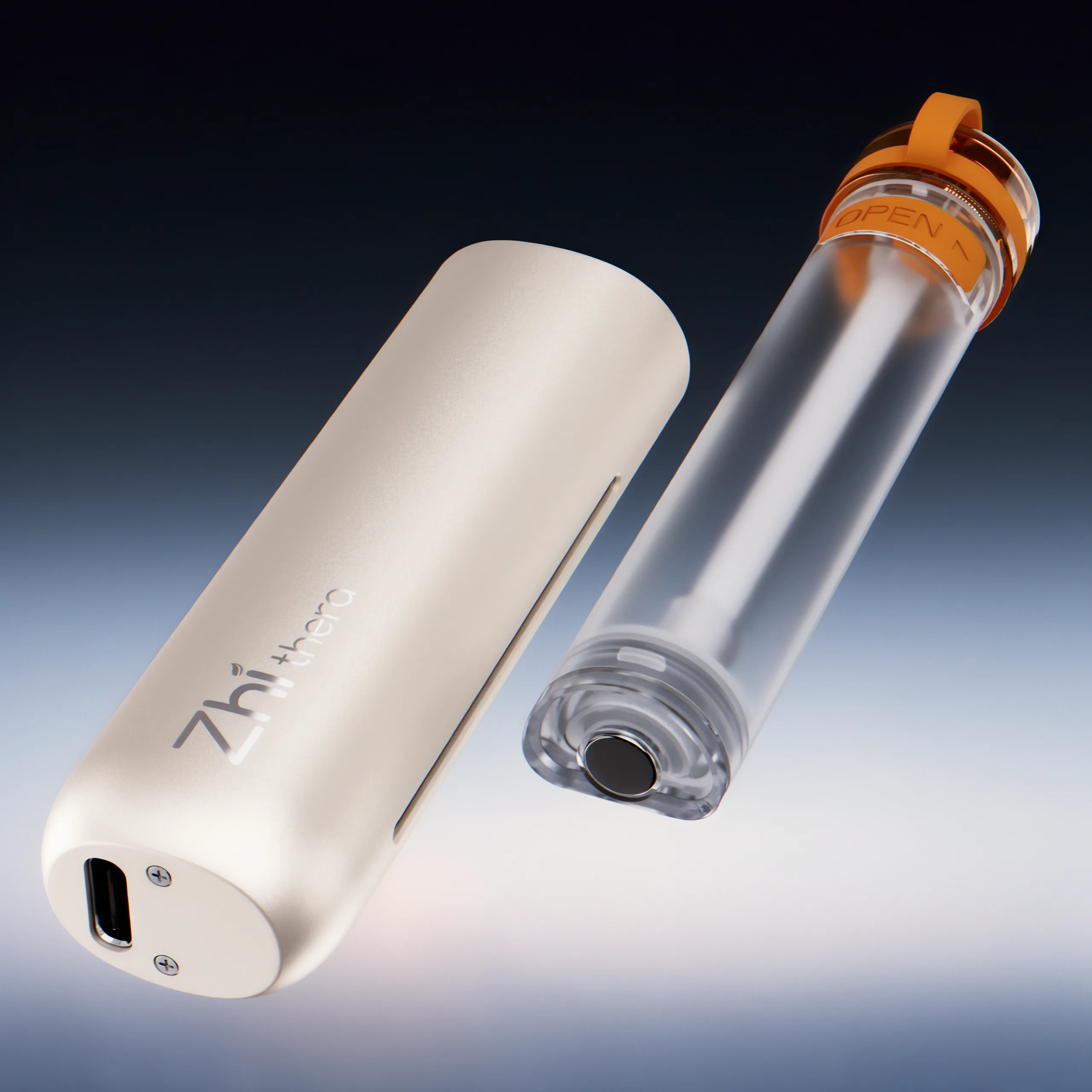
Changing scent means swapping the 6.5 ml refillable cartridge in one step; no blending oils in a single cartridge and blurring them. Every part that touches oil, cartridge included, is made from oil-resistant material, so oils of either line can be used straight from the bottle.
Consumption is predictable, too. Zhithera rates the D1 at about 4.3 milliliters an hour on high continuous; from that benchmark, low intermittent is estimated at about 0.14 milliliters an hour and medium at about 0.87. A full 6.5 milliliter cartridge therefore lasts close to 1.5 hours on high continuous, an estimated 7.5 hours or so on medium, and an estimated 46.5 hours on low. Low is the economical setting in small rooms, medium is the everyday one in larger rooms, and high continuous is for filling a space quickly, not for running all day.
Pick botanical essential oils for close range. Their composition varies, and so does how fast the aroma spreads; nothing fixes the scent in place, so it shows up fast and leaves fast, which suits a light, fresh change of character in a small space.
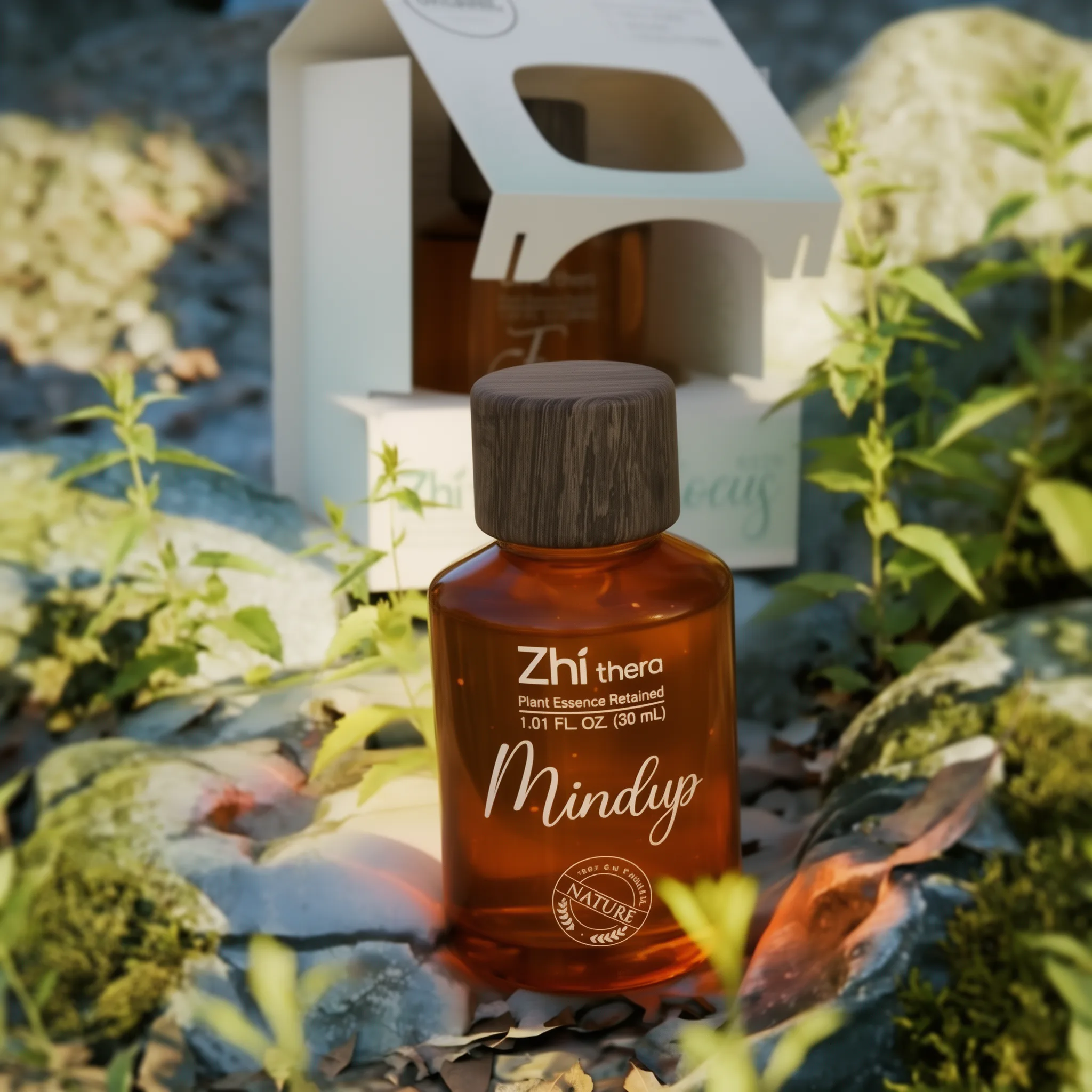
Pick designer fragrance oils for bigger rooms. They come in 100 milliliter bottles; Eastern Elegant House, Sweetheart of Blooming Flowers and Orange Blossom are made with Givaudan fragrance materials. They last longer and stay consistent across batches, which makes them the pick for large rooms and hospitality spaces where the atmosphere needs to be dependable.
So the rule of thumb: botanical oils for small spaces and close range, fragrance oils for large spaces and a longer hold. One device runs both, so you're choosing an atmosphere, not working around hardware. Both are low-viscosity and made for mesh atomization, but even the right oil leaves the mesh needing some care, and clogs remain possible.
Clogs usually come from oils cut with a carrier such as grapeseed, jojoba or olive. Zhithera's oils go in as they are, with no diluting, and they're meant only for diffusion. Ventilate the room, and keep devices and oils out of children's and pets' reach. The cartridge and its mesh are consumables, so wear from normal use and verified misuse are handled differently from product-quality issues; ask support which terms cover your purchase and where you made it.
Match oil and output to the room and the scent stays pleasant without waste. Use this as a guide to modes and typical room sizes.
Floor area isn't the only factor; the shape of the room counts too. Tall ceilings, open plans and strong ventilation make scent feel weaker; partitions and soft furnishings help it linger. Start low and turn up only if you need to; that avoids over-scenting and keeps oil use efficient.
In a car or at a desk, intermittent modes keep scent noticeable without getting heavy. A shared office or lounge does well with fragrance oil set to medium as a steady background, with refills timed to opening hours. In hospitality or retail, run fragrance oil on medium through the day and switch to high continuous when you need to fill the space quickly, for example before doors open.
Steady output starts with the cartridge: inspect it once it's been refilled about five times, and fit a new one if the mist has weakened. It's a consumable, so planning replacements avoids a sudden drop in performance.
Five refills of one cartridge use about 32.5 milliliters of oil, roughly three 10 milliliter bottles. To estimate how long a bottle lasts in a cartridge diffuser, work from the model, the setting and how long each session runs; a generic drops-per-session rule can't tell you.
Two oils in one cartridge muddy each other, so change scent by swapping cartridges. Trying out two scents side by side? A labeled cartridge for each keeps both clean, with no carryover.
Storage affects scent over time. Keep bottles closed tight, out of the light, away from heat and flame, and beyond children's reach. Citrus oxidizes faster, so use it soon after opening. Sealed and stored cool and dark, an unopened bottle keeps around three years; opened oil, or oil already in a cartridge, should be used without delay, citrus most of all.
Upkeep is covered in clean and maintain your essential oil diffuser. A little regular care keeps the mesh working as intended, so you get full value from every cartridge.
It scents it. The mesh disperses aroma molecules into the air, and the sense of freshness comes from the oil's character and the output you choose. It doesn't clean the air.
Botanical essential oils have nothing added to fix the scent, so they spread fast and fade fast. Designer fragrance oils hold on longer and don't vary from batch to batch, so they're made for big rooms and hospitality venues. The same device runs both.
Estimated use on the D1's low intermittent setting is about 0.14 ml an hour, so a full cartridge should run roughly 46.5 hours. Your room and your usage pattern will move that number.
Better not, since mixed oils lose their definition. Swapping refillable cartridges keeps every aroma distinct.
Pick your next diffuser oil refill from the Essential Oils collection.
Zhithera – A Professional Aromatherapy Delivery System Zhithera designs waterless, heat-free diffusers that atomize pure botanical essential oils and designer fragrance oils into a micron-fine mist using Advanced Micro-Mesh Atomization. Built for consistent, controllable aromatic states — focus, relaxation, recovery and restful ambiance — our range serves homes, offices, cars, spas, hotels and retail spaces worldwide. Every batch is traceable and supported by recognized third-party testing, with dependable wholesale and distribution support for partners around the globe.
Aromatherapy & Essential Oil Notice
Zhithera essential oils and fragrance oils are non-medical aromatic products intended for diffusion only. They are not intended to diagnose, treat, cure or prevent any disease or condition, and are not medical devices. Do not apply oils to skin or ingest them, and keep oils and devices out of reach of children and pets. Ensure good ventilation, and if you are pregnant, nursing or have a medical condition, please consult a qualified professional before use. Scent is experienced differently by everyone; discontinue use if any irritation occurs. We make no therapeutic, disinfecting or insect-repellent claims for any Zhithera product.