
NEWS & BLOG · June 13, 2025 · By Zhithera Studio
You don't need a big collection or any training to get started with aromatherapy at home. Two or three pure botanical oils plus a waterless micro-mesh diffuser are enough to work out which scents you like, in which rooms and at what time of day.
Think of home aromatherapy as styling a room with scent, much as you'd style it with lighting or music. The aromas come from plants, and the point is character and atmosphere, not health. Most people begin with one device and a few oils, then learn how room size, airflow and output level shape a scent. A quick log of scent, room and time reveals patterns fast.
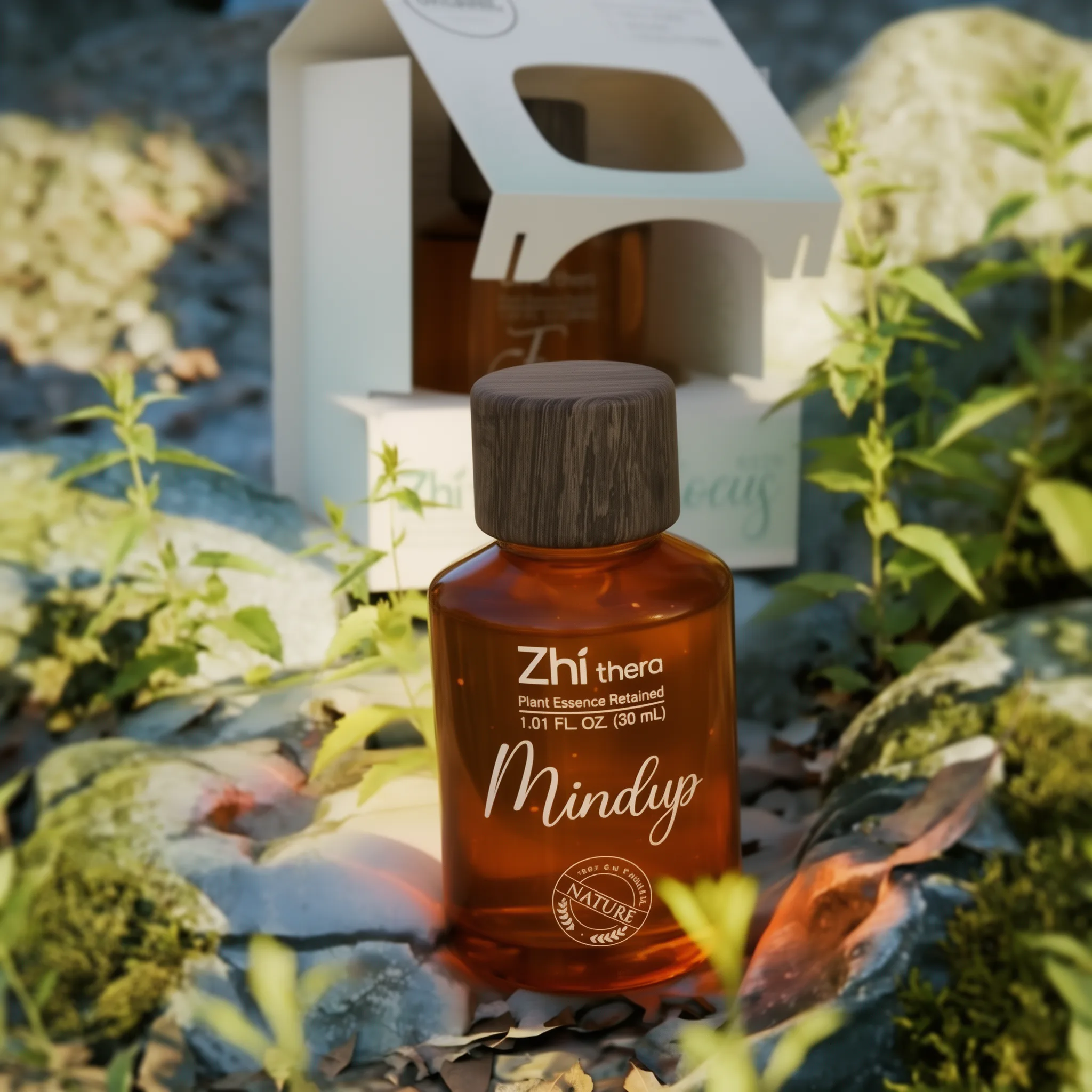
Choose three families and buy a single oil in each. You'll be able to compare characters without overspending, and you'll have something for morning, daytime and evening.
That's three or four oils in total, which is plenty to explore. Pick them from the current pure botanical essential oils selection.
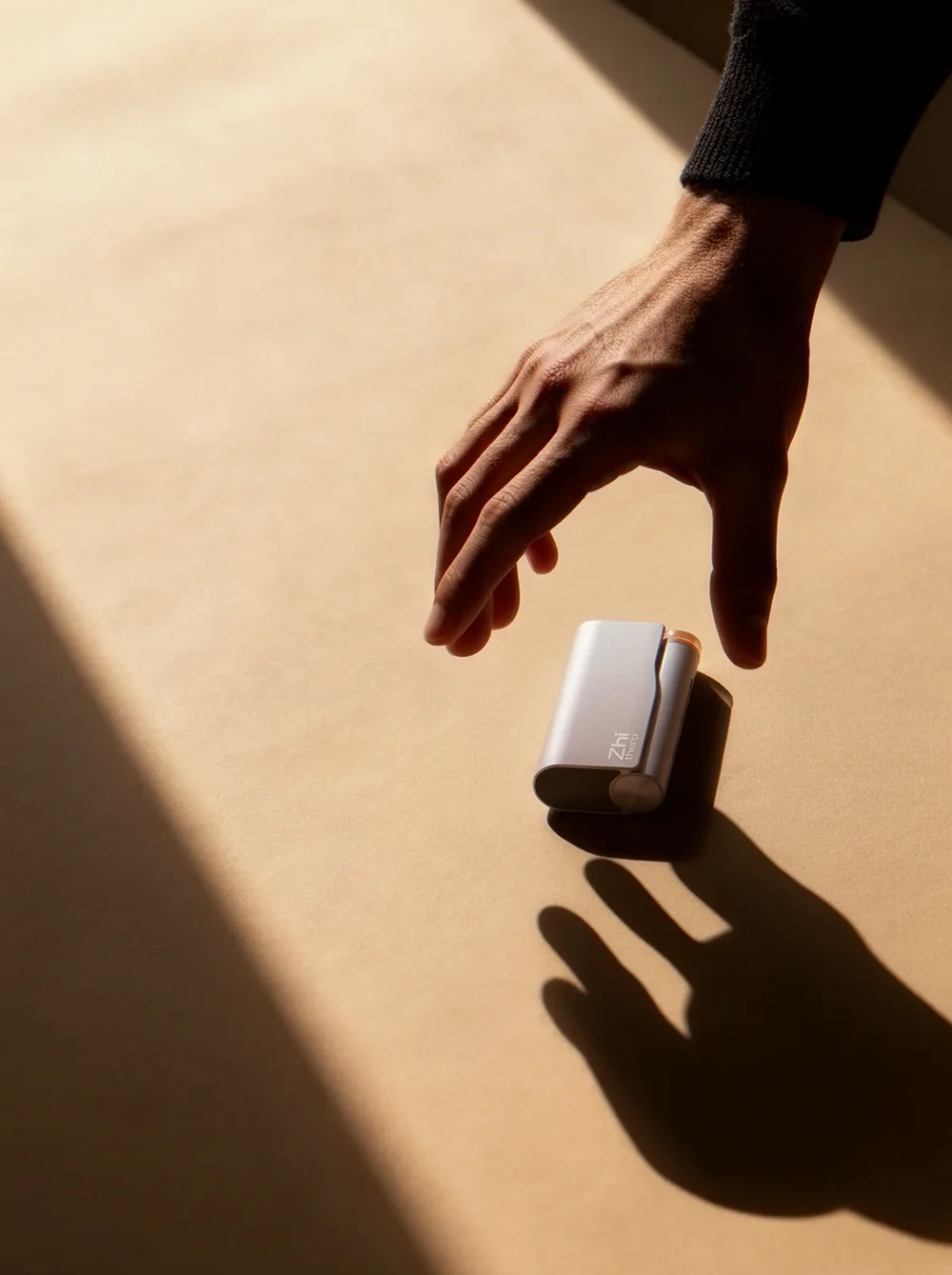
Pick a waterless micro-mesh diffuser if you want the aroma to stay true to the oil and the cleaning to stay minimal: it turns oil straight into mist without a water tank or heat. There are two Zhithera models, and a single 6.5 ml refillable cartridge fits either one. The D1 waterless diffuser charges on a 3500 mAh dock; its outputs are low, medium and high continuous. The D1 mini is a compact smart car diffuser; it attaches to a magnetic car mount and offers continuous, intermittent and motion-sensing car modes.
Points worth comparing:
Both models atomize with a heat-free, waterless micro-mesh and take essential oils and fragrance oils as they are. Every part that touches the oil, cartridge included, is made of oil-resistant material, so pure oils need no dilution.
How long a scent stays noticeable depends on room size and ventilation. Botanical essential oils, being pure, spread fast and suit close range; fragrance oils from the designer line last longer and can carry a bigger room.
Up to about 54 sq ft (5 sq m), the space around a nightstand, desk or car seat, low or intermittent output is enough with either oil line. Between about 110 and 160 sq ft (10 to 15 sq m), think bedroom, study or private office, use low to medium; switch to fragrance oil when you want more staying power. From about 160 to 320 sq ft (15 to 30 sq m), which covers most living rooms, home offices and small shops, run medium every day and high just before guests arrive, mainly with fragrance oil.
Bigger than that, say a duplex, a commercial space or a large living room between about 320 sq ft (30 sq m) and 4,090 sq ft (380 sq m), stick with fragrance oil: medium covers everyday scenting, and high continuous is for filling the space quickly. The 4,090 sq ft figure is the D1's measured maximum on high continuous with fragrance oil. Browse the designer fragrance oils for bigger rooms.
Oils mixed in one cartridge tend to muddy each other, so change scents by changing cartridges. Use one scent per session, and let the last aroma clear before you start the next.
A rhythm that works for many people: mornings get citrus in the kitchen or living room, and later in the day a floral or herbal oil goes into the bedroom or study. Swapping takes seconds, and spare refillable cartridges make the rotation practical.
Feed it pure, low-viscosity oils. Anything thinned with grapeseed, jojoba, olive or another carrier oil is a clog risk. When the mist gets smaller, give the mesh a light pass with a cotton swab or tissue; don't press on it.
The cartridge, mesh and all, wears out over time. Look at its mist after about five refills and replace it if it has weakened; that keeps the output steady. Keep bottles tightly closed, out of sunlight and far from heat or flame, and keep oils and devices out of children's and pets' reach. Citrus oils oxidize faster than others, so don't leave an opened bottle sitting for long.
Ventilate the room, and begin with short sessions on low or intermittent output. Oils and devices belong out of children's and pets' reach, and pets should be free to leave the room.
Ask a qualified professional before diffusing around infants, older adults, anyone pregnant or breastfeeding, anyone on medication and anyone with a chronic condition. For rosemary specifically, get advice first if you have high blood pressure or a seizure history, and a veterinarian can tell you whether a specific oil is suitable around your animal. Looking for routine ideas? See an evening routine with aromatherapy.
Yes, that's a practical place to begin. Pick a citrus, lavender for a floral and either rosemary or peppermint for an herbal note. You'll have a different character for each room and time of day, and your shelf stays small.
If they're single-note pure oils, or blends made with a natural atomization solvent, yes. Massage and roll-on oils, which come pre-diluted with carriers like jojoba or grapeseed, are thick enough to clog a micro-mesh.
Output level and room conditions decide that. Low or intermittent use stretches a cartridge far longer than high continuous, which is meant for filling a room fast. Begin low and adjust; when the oil runs out, refill it or turn it off.
Essential oils from the botanical line have small molecules, so they spread fast and fade fast; keep them for small and mid-sized rooms, close by. Fragrance oils hold on longer and smell the same batch after batch, which suits bigger rooms and long sessions. You can run either in the same diffuser.
Ready to begin? Pair one of our Diffusers with a few pure botanical essential oils and build your routine from there.
Zhithera – A Professional Aromatherapy Delivery System Zhithera designs waterless, heat-free diffusers that atomize pure botanical essential oils and designer fragrance oils into a micron-fine mist using Advanced Micro-Mesh Atomization. Built for consistent, controllable aromatic states — focus, relaxation, recovery and restful ambiance — our range serves homes, offices, cars, spas, hotels and retail spaces worldwide. Every batch is traceable and supported by recognized third-party testing, with dependable wholesale and distribution support for partners around the globe.
Aromatherapy & Essential Oil Notice
Zhithera essential oils and fragrance oils are non-medical aromatic products intended for diffusion only. They are not intended to diagnose, treat, cure or prevent any disease or condition, and are not medical devices. Do not apply oils to skin or ingest them, and keep oils and devices out of reach of children and pets. Ensure good ventilation, and if you are pregnant, nursing or have a medical condition, please consult a qualified professional before use. Scent is experienced differently by everyone; discontinue use if any irritation occurs. We make no therapeutic, disinfecting or insect-repellent claims for any Zhithera product.