
NEWS & BLOG · October 5, 2025 · By Zhithera Studio
Two documents come up again and again with fragrance oils. IFRA standards set out which fragrance ingredients are allowed in each type of product, and at what levels. An MSDS (the newer name is SDS) sets out, for one product, its hazards and how to handle, store and transport it. Both serve a purpose, but neither declares a product "safe for everything". This guide walks through what each covers, the SDS sections worth reading, and the way to request documents that match a specific oil.
Think of the International Fragrance Association (IFRA) as the fragrance industry's rule-setter. RIFM, the Research Institute for Fragrance Materials, carries out safety assessments, and IFRA uses them to publish the IFRA Standards: lists of banned materials, of materials with a maximum permitted level, and of materials that need to meet purity specifications. As research develops, the standards are revised through periodic amendments.
An ingredient that's fine in a candle may be too strong for a face cream. IFRA's categories therefore run from the strictest, which covers lip products and leave-on creams, to the most relaxed, for products that never touch skin. Diffuser oils, reed diffusers and candles fall in that relaxed group, Category 12, along with most other room fragrances that never get sprayed or applied to skin.
The supplier's IFRA Certificate of Conformity documents this, stating the highest level at which that fragrance may be used in each category. If a label claims IFRA compliance, ask two questions: for which category, and at what dose?
No, not by themselves. Members of IFRA sign up to follow the standards voluntarily, as a form of self-regulation. Certain regulations rely on the same research, and plenty of fragrance houses use the standards globally, yet citing IFRA shows responsible formulation, not a government sign-off.
A safety data sheet (SDS), (the older term is MSDS) is a hazard-communication document covering one product. Its format, set by the Globally Harmonized System (GHS), always has 16 sections. Its audience is anyone handling, shipping or using the product, and its job is to spell out the hazards and how to control them. What it isn't: an independent test certificate, a guarantee that nothing in it is an allergen, or proof that it has any effect on people.
Each document answers its own question, so which one you need depends on what you want to know.
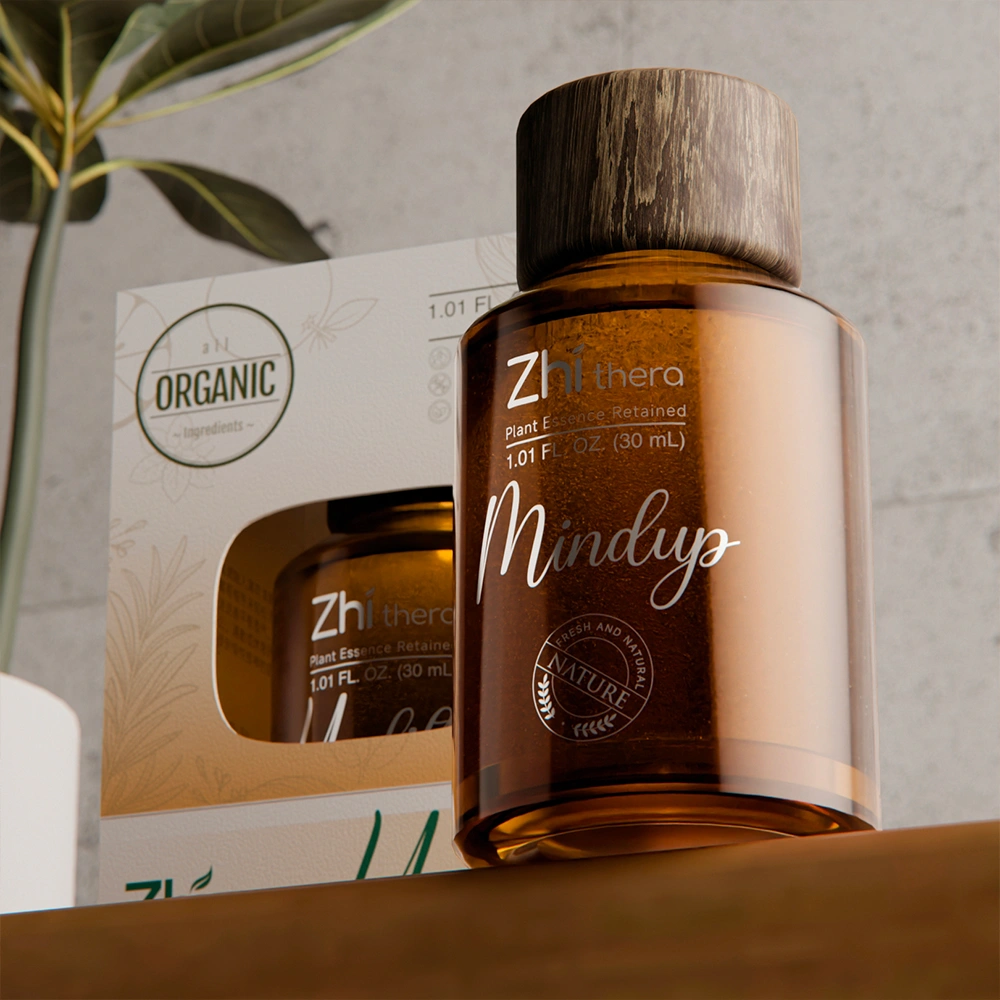
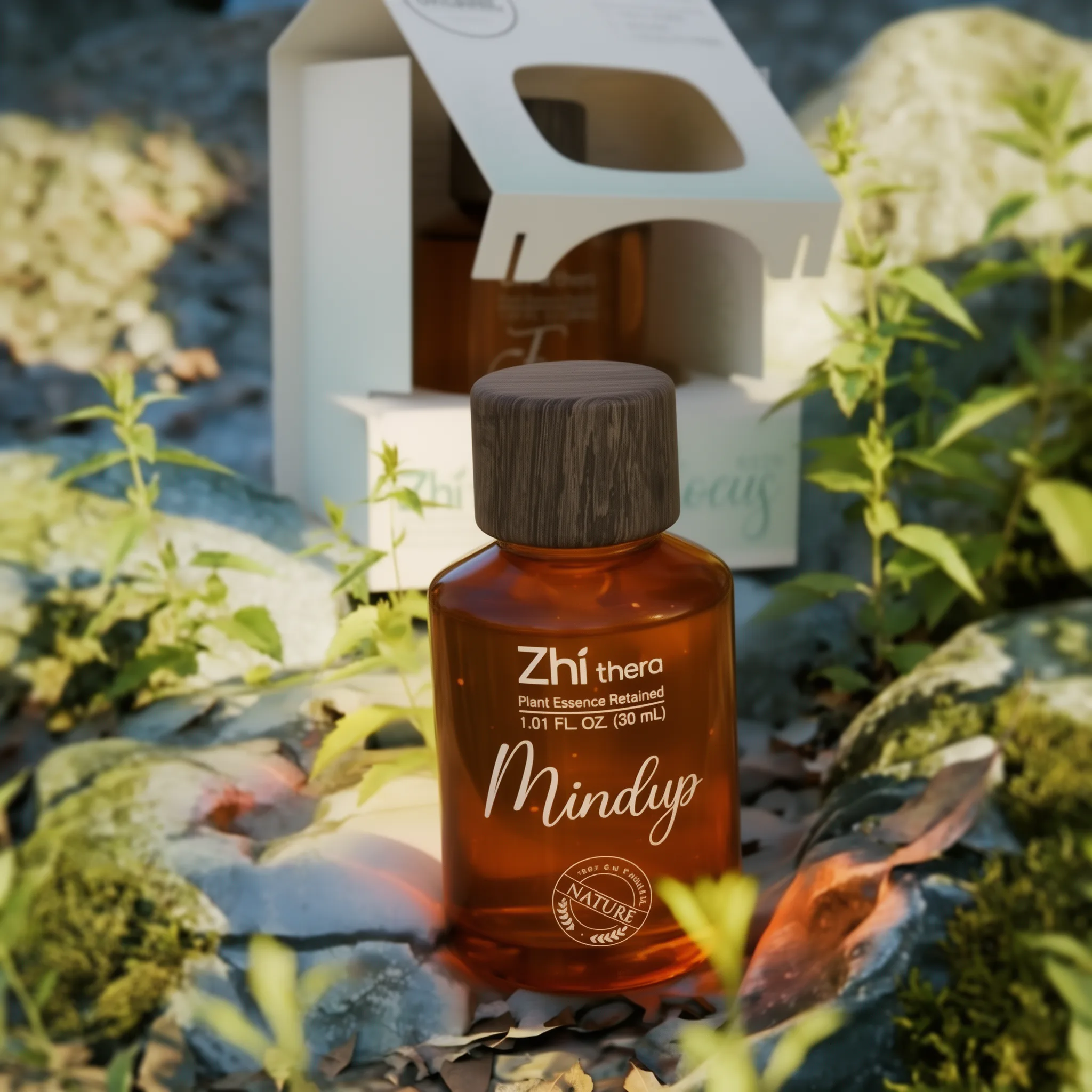
Zhithera's 100 mL fragrance oils include Orange Blossom, Sweetheart of Blooming Flowers, Eastern Elegant House, Eau De Cologne, Shangri-La and Mossy Red Teak. Of these, Orange Blossom, Sweetheart of Blooming Flowers and Eastern Elegant House use Givaudan fragrance materials. Every bottle of our 10 mL essential oils shows the plant's Latin name and origin. Blends say so on the label. Roughly 85% of South African Geranium is essential oil; for Virginia Cedarwood and Indian Oud the figure is roughly 35%, with a natural atomization solvent blended in; pure oils vs diluted blends explains the difference.
Documents are tied to the exact product. To request documents, contact support with four details: scent, bottle size, batch and the destination country. We'll confirm what applies. A data sheet belongs to one formula only, and shipping information varies with the product and the shipping method.
No. It describes one product's hazards and how to handle, store and ship it. Zhithera oils are for diffusion only: keep them off skin, never swallow them and store them away from children and pets.
No. Following IFRA is a voluntary industry commitment, not a government approval; it's still a good sign of responsible formulation.
Usually Category 12, which covers products not meant for skin contact; that includes diffuser oils and other room fragrances that are neither sprayed nor put on skin.
Email support with the scent, size, batch number and where it's being shipped; we'll say which documents exist for that exact product.
Our oils are aromatic products for diffusers, not medical products. They are not intended to diagnose, treat, cure or prevent any condition.
Zhithera – A Professional Aromatherapy Delivery System Zhithera designs waterless, heat-free diffusers that atomize pure botanical essential oils and designer fragrance oils into a micron-fine mist using Advanced Micro-Mesh Atomization. Built for consistent, controllable aromatic states — focus, relaxation, recovery and restful ambiance — our range serves homes, offices, cars, spas, hotels and retail spaces worldwide. Every batch is traceable and supported by recognized third-party testing, with dependable wholesale and distribution support for partners around the globe.
Aromatherapy & Essential Oil Notice
Zhithera essential oils and fragrance oils are non-medical aromatic products intended for diffusion only. They are not intended to diagnose, treat, cure or prevent any disease or condition, and are not medical devices. Do not apply oils to skin or ingest them, and keep oils and devices out of reach of children and pets. Ensure good ventilation, and if you are pregnant, nursing or have a medical condition, please consult a qualified professional before use. Scent is experienced differently by everyone; discontinue use if any irritation occurs. We make no therapeutic, disinfecting or insect-repellent claims for any Zhithera product.